E.01 · Edge ML
EnergyLLM
Reinforcement learning that tunes GPU clock, batch size, and model depth on a Jetson at run time, trading throughput against energy and heat.
Open in Projects
PhD Electrical & Computer EngineeringHarvard University Edge Computing LaboratoryCambridge, MA
01 Orbit
Hello! I’m Zander. I am a PhD student in electrical and computer engineering at Harvard University, where I conduct research in the Edge Computing Laboratory under the advisement of Prof. Vijay Janapa Reddi. My research broadly explores the intersection of computer architecture and machine learning.



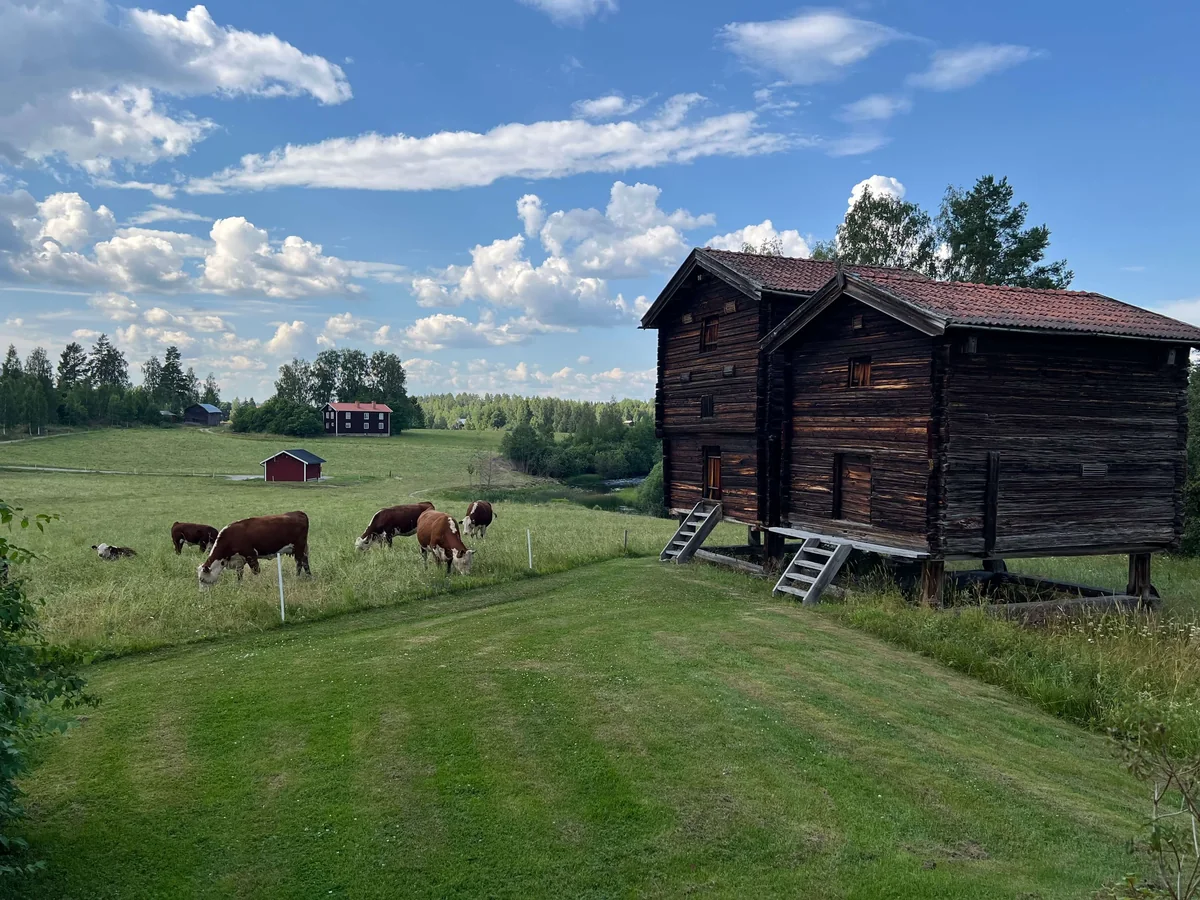
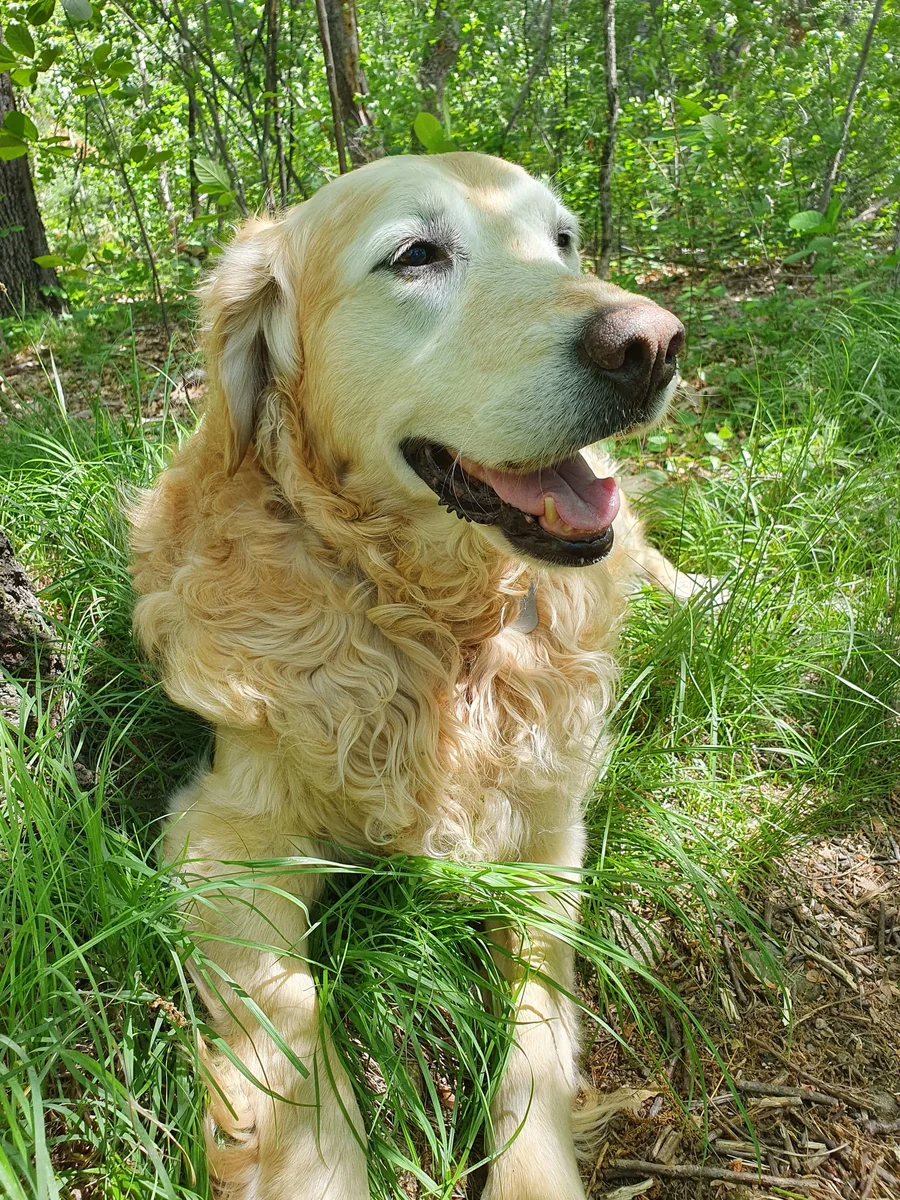






Outside the lab, I stay active through competitive Ultimate Frisbee, tennis, golf, skiing, and soccer. When I am not on the field or the slopes, you can usually find me baking, playing video games or chess, and enjoying anything related to The Lord of the Rings.
02 Approach
Publications
Laboratories
Graduate Research Assistant
May 2025 – present · Cambridge, MA

Undergraduate Research Assistant
Oct 2022 – Apr 2025 · Boston, MA

03 Entry
Industry


Software Validation Intern
May – Aug 2024 · Austin, TX
Co-op Research Assistant
May – Dec 2023 · Lexington, MA

Teaching
Teaching Fellow · 111 students
Aug – Dec 2026 · Cambridge, MA


Leadership & service



04 Descent
E.01 · Edge ML
Reinforcement learning that tunes GPU clock, batch size, and model depth on a Jetson at run time, trading throughput against energy and heat.
Open in Projects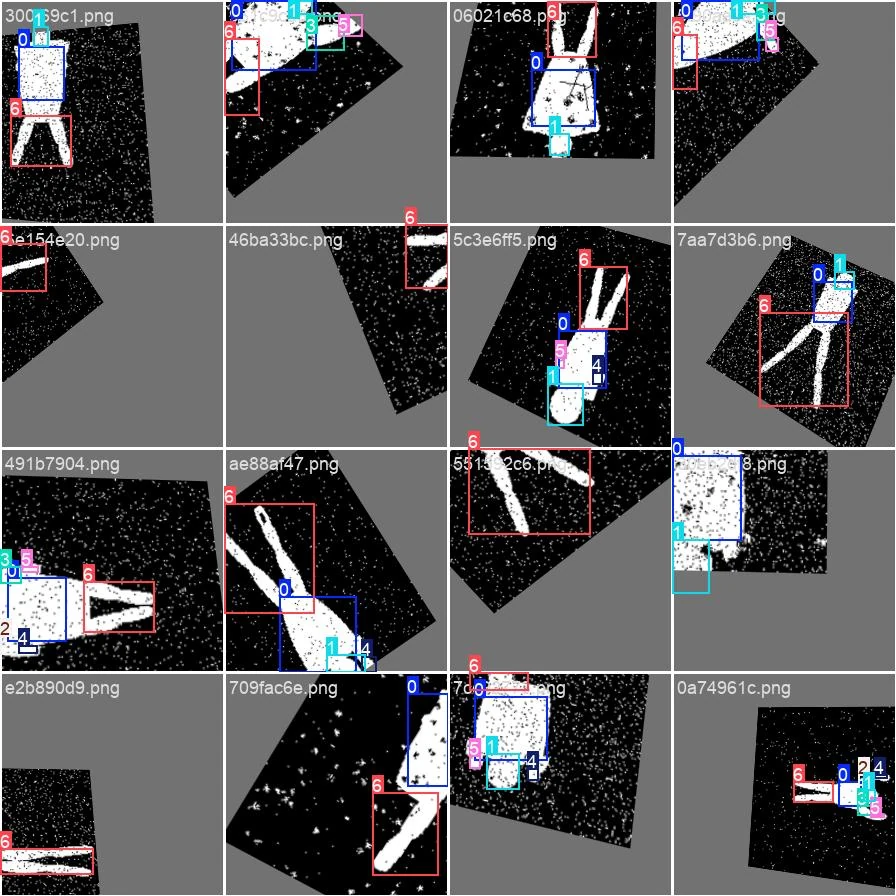
E.02 · Robotics
An automated back massage system that finds the regions to work on, plans a trajectory, and runs it with a robotic arm and a massage gun.
Open in Projects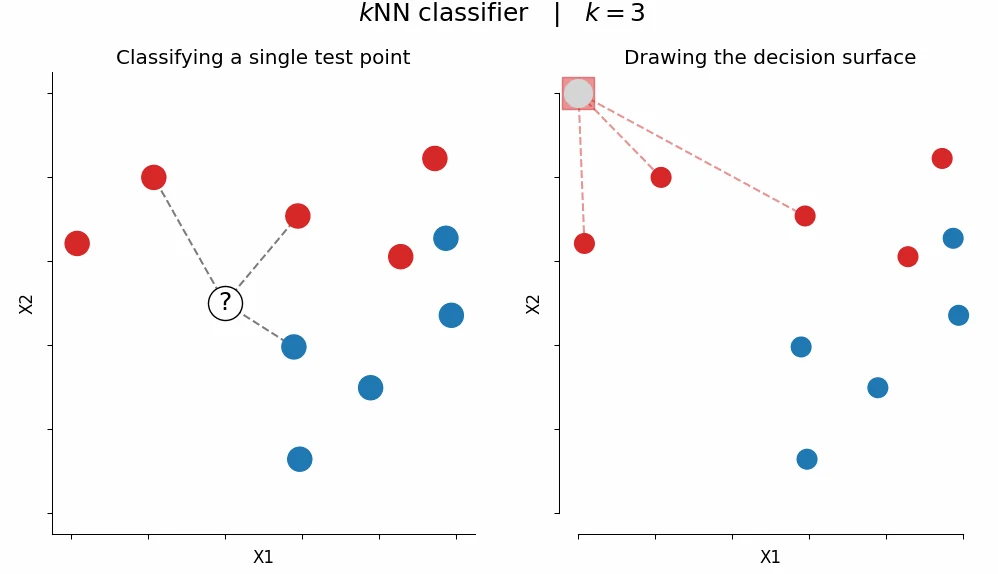
E.03 · HPC
K-nearest-neighbors in CUDA, optimized with shared memory and batching across three generations of NVIDIA GPUs and three datasets.
Open in Projects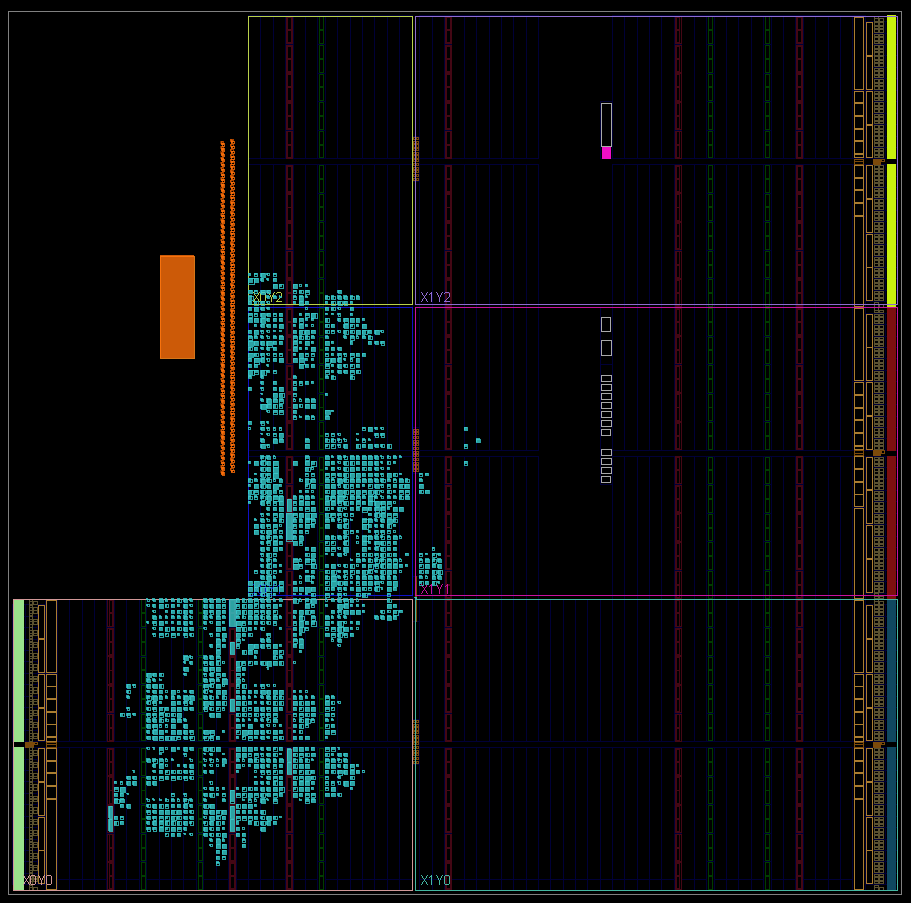
E.04 · Silicon
An AES encryption core accelerated on a PYNQ-Z2 through Vitis HLS, and a ring-oscillator power monitor built on the same fabric to attack it.
Open in Projects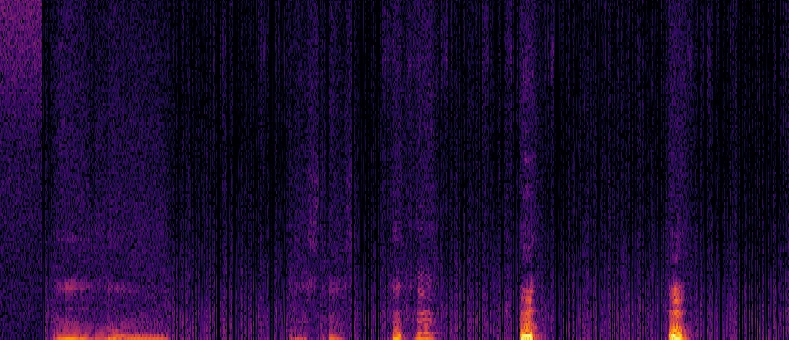
E.05 · Embedded
An audio visualizer for the Zedboard that draws the waveform over HDMI and streams the audio to a web page, so a lab board can be tested remotely.
Open in Projects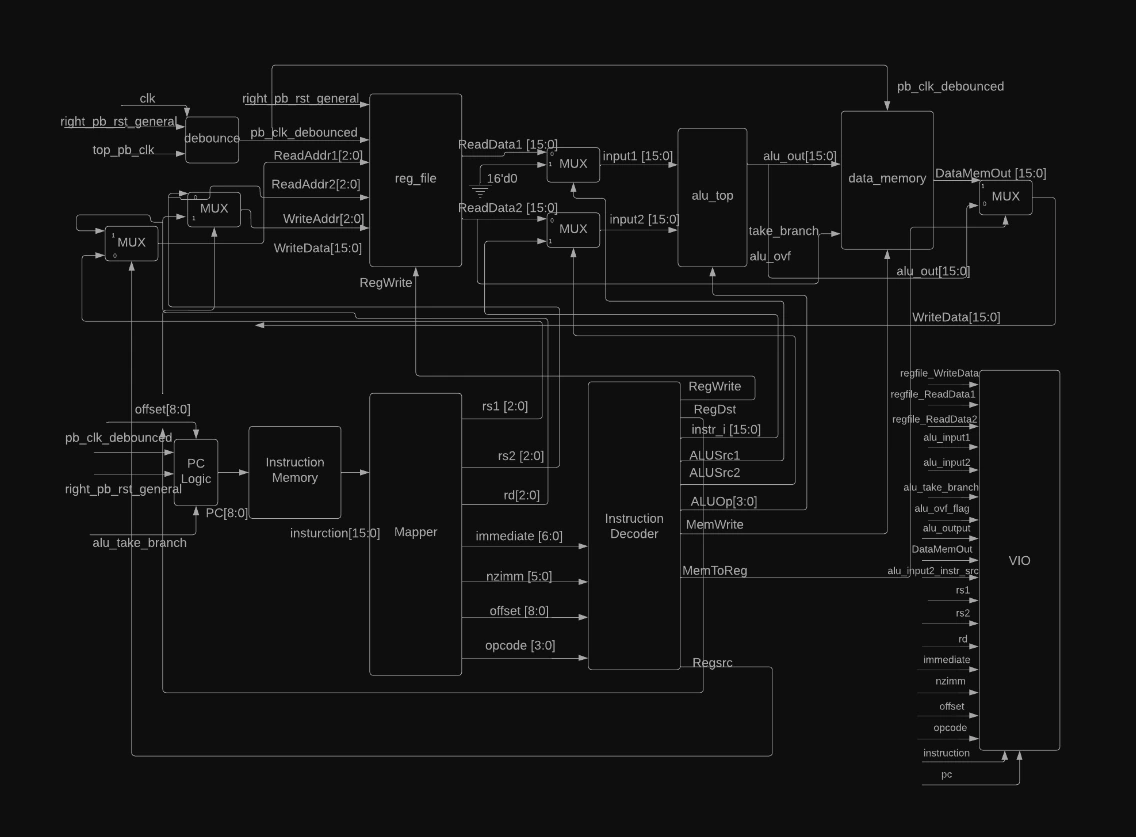
E.06 · Digital design
A 16-bit single-cycle RISC-V processor built in SystemVerilog over seven stages, from an adder to a machine that runs assembled programs.
Open in Projects05 Ground
Open to collaboration in computer architecture, machine learning, and high-performance systems. If you have questions about my work or want to discuss a project, feel free to reach out!
Hello! I’m Alexander Atticus Gustaf Ingare, though most people call me Zander. I am a PhD student in electrical and computer engineering at Harvard University, where I conduct research in the Edge Computing Laboratory under the advisement of Prof. Vijay Janapa Reddi.
My research broadly explores the intersection of computer architecture and machine learning, and I am particularly focused on automating the development and optimization of bespoke, end-to-end systems. This involves streamlining the co-design of hardware-software stacks tailored to unique sets of parameters.
Prior to my graduate studies, I earned my Bachelor of Science in Electrical and Computer Engineering from Northeastern University. My other professional and academic experience includes cryptographic hardware acceleration research at the NUCAR Laboratory, embedded systems cybersecurity research at MIT Lincoln Laboratory, embedded firmware and robotics at Amazon Robotics, and high-performance computing and GPU kernel optimization at Advanced Micro Devices.
Outside the lab, I stay active through competitive Ultimate Frisbee, tennis, golf, skiing, and soccer. When I am not on the field or the slopes, you can usually find me baking, playing video games or chess, and enjoying anything related to The Lord of the Rings.


The Harvard University Edge Computing Lab, directed by Prof. Vijay Janapa Reddi, focuses on the deployment of active, real-world artificial intelligence systems across the hardware and software stack. In the past, the lab centered broadly on edge computing platforms, exploring runtime systems, hardware efficiency, and computational acceleration across domains ranging from low-power IoT devices to mobile computing, autonomous machines, and robotics. Currently, the lab’s primary research interests include Physical AI and Edge AI, addressing strict constraints such as latency, energy, and safety in sensor-driven systems like robots and drones. The lab also conducts research in full-stack machine learning systems, the formalization of AI engineering as an explicit discipline, and Architecture 2.0, which applies machine learning to the design of computer architecture and chip hardware.
At the Edge Computing Laboratory, my research focuses on bridging hardware architecture, compiler optimization, and generative AI to eliminate computational bottlenecks across the modern computing stack. As a primary driver of the Hawkeye project, I developed a framework for autonomous, hardware-aware GPU kernel optimization. I characterized architecture-specific optimizations into a structured taxonomy of unit tests and designed comprehensive workload evaluation suites. To scale the test-time compute of coding agents, I engineered agent harnesses and robust model-training pipelines utilizing reinforcement learning, multi-turn RL, and self-distillation. This infrastructure allowed the agents to iteratively match or surpass expert-written PyTorch and Triton baselines.
In addition to kernel synthesis, I contributed to RoboVec, a domain-specific compiler built to accelerate structured linear algebra in robotics. I quantified the latency and memory bandwidth benefits of loop fusion for forward kinematics and collision checking kernels. Using roofline tools, flamegraphs, and XLA decomposition, I rigorously characterized our framework against JAX, successfully isolating the performance cost of Python dispatch overhead from the execution of the underlying linear algebra operations. Broadening my focus to model evaluation, I helped establish the QuArch benchmark to assess LLM reasoning in computer architecture. I authored expert, hand-labeled data points and manually graded LLM responses to validate the fidelity of automated LLM-as-a-judge mechanisms against human domain experts. Additionally, I co-authored a comprehensive survey analyzing how generative AI is reshaping computing systems. For this work, I detailed the datasets, algorithms, and real-world deployment opportunities associated with RTL generation and logic synthesis at the chip design layer.
The Northeastern University Computer Architecture Research (NUCAR) Lab, directed by Prof. David Kaeli, investigates the performance, design, and analysis of high-performance, reliable, and secure computing systems. The lab’s research spans multiple areas of computer architecture, focusing heavily on graphics processing units (GPUs), heterogeneous computing, and the development of hardware accelerators. A significant portion of the group’s work addresses system security and stability through research into microarchitecture-level security, side-channel analysis, data privacy, encryption, and hardware recovery methods. Additionally, the lab develops scalable frameworks for fast and efficient artificial intelligence and machine learning, alongside foundational architectural studies in workload characterization, memory hierarchy design, virtualization, software testing, and performance benchmarking.
My research within the Lab concentrated on the intersection of GPU performance optimization and encrypted computation. To explore the viability of running large language models under Fully Homomorphic Encryption (FHE), I benchmarked Llama 2 and Llama 3 on V100 GPUs using the PyTorch Profiler within Docker environments. This profiling isolated critical computational kernel bottlenecks, paving the way for targeted microarchitectural improvements to eliminate them. Accelerating the encryption overhead required implementing specific microarchitectural extensions in NaviSim, a GPU simulator built upon MGPUSim. To establish trust in the simulation environment, I validated the framework by benchmarking physical MI100 hardware timings against the simulated kernel results. Additionally, I modeled AMD’s CDNA instruction set architecture by translating OpenCL kernels into Go utilizing the HIP runtime API. To streamline this validation pipeline, I engineered Python scripts that fully automated the data collection across both the AMD and NVIDIA benchmarks.
During my time as a Design Engineering PhD Research Intern at AMD, I built a Large Language Model (LLM) pipeline designed to automate hardware-aware GPU kernel generation for emerging architectures. I trained per-architecture open-weights models using multi-turn self-distillation to generate highly performant HIP and CUDA kernels. To support this pipeline, I automated kernel profiling and performance analysis, ultimately creating tools that accelerated the workflow for Application Engineers handling RFPs, system acceptance, and product launches.
As an Embedded Firmware Co-op on the Robotic Safety Systems team at Amazon Robotics, I integrated the company's robotic fleet with AWS IoT for real-time MQTT communication and connectivity monitoring. To streamline metric collection across all devices, I built a robust MQTT Metric AWS Cloud Development Kit (CDK). Beyond cloud integration, I debugged production hardware to resolve USB protocol failures, refactored Qt Quick QML code for improved modularity, and overhauled the service mode touchscreen interface to create a more intuitive experience for hardware deployed in fulfillment centers.
As a High-Performance Computing Software Validation Intern at AMD, I developed Python scripts and HIP/C/C++ kernel code to automate health metric collection for GPU systems within a SLURM cluster environment. I integrated AI-driven statistical analysis tools like Ollama and LlamaIndex to detect anomalies in these metrics, and I automated the reporting process using Prometheus alerts sent directly to Microsoft Teams. Additionally, I enhanced the reliability of our validation workflows by expanding testing frameworks with CMake, CTest, and CDash, and by building Grafana dashboards to monitor overall GPU node performance.
While working as a Co-op Research Assistant in the Cyber System Assessments group at MIT Lincoln Laboratory, I focused on the reverse engineering and dynamic analysis of embedded Linux systems across MIPS, ARM, and x86 architectures. Using tools like Ghidra, I disassembled shared objects and executables to pinpoint and resolve boot-process emulation failures. I successfully emulated devices using QEMU and PANDA, refined platform usability with custom bash scripts, and utilized Burp Suite to reverse-engineer network traffic, bypassing failed HTTP requests to restore full device functionality.
As a graduate Teaching Fellow at Harvard University for the “Computing at Scale” course, I support a class of 111 students. To facilitate their learning and evaluate their progress, I author problem sets and quizzes, and I hold weekly office hours throughout the term to help students work through complex concepts.
During my time as an Engineering Tutor for the IEEE-HKN Honor Society at Northeastern University, I tutored students in core electrical and computer engineering courses, including Embedded Design, Circuits & Signals, Engineering Algorithms, and Computer Architecture. I focused on simplifying complex topics through both one-on-one and group tutoring sessions to foster a deeper mastery of the material. Beyond academic help, I also leveraged my own experiences to advise new students on navigating their coursework, securing co-op opportunities, and planning their career paths.
A full-day workshop on agentic AI for computing systems design, spanning computer architecture, programming languages, and operating systems, held at ISCA 2026. Organized with Zishen Wan, Chenyu Wang, Andy Cheng, Shvetank Prakash, Arya Tschand, Ankita Nayak, and Prof. Vijay Janapa Reddi. The programme pairs keynotes and technical sessions with the launch of Architecture 2.0: Agentic Design Loops for Computing System Synthesis.
During my time as Vice-President of the Institute of Electrical and Electronics Engineers (IEEE) chapter at Northeastern University, I coordinated and led weekly technical workshops covering topics like PCB design, soldering, Python, and 3D printing. I also facilitated weekly meetings featuring presentations from leading industry professionals to help connect students with the broader engineering community. Furthermore, I co-organized the 2023 IEEE Communications Society School Series in collaboration with Northeastern's Institute for the Wireless IoT.
Serving as an Executive Lab Manager at the Boston Leadership Institute, I oversaw the logistical and operational needs of a massive summer educational program catering to 2,372 students across five locations. I managed the budget and material ordering for 56 courses, while administrating a team of 53 teachers and 11 site managers to ensure seamless delivery. Beyond streamlining internal processes and managing toxic waste disposal, I also contributed directly to the classroom by teaching organ identification, suturing techniques, and dissections.
A full implementation in Tkinter and BetterTkinter, with piece gravity, placement validation, rotation in both directions, holding, and hard and soft drops. Finished games write to a global scoreboard that filters submitted names for profanity.
Lua scripts running on a Digital Loggers DIN Relay IV that switch air pumps according to temperature and humidity readings from attached sensors, and report the state of each outlet over SMTP.
An instrumentation amplifier recovers the cardiac signal from surface electrodes, with high-pass and low-pass stages rejecting drift and mains interference. A Parks–McClellan optimal FIR filter in MATLAB then pulls a clean trace out of what remains.
The full game in Python behind a Tkinter interface, covering legal move generation, flipping captured pieces along every direction at once, passing a turn when a player has no legal move, undo, and win detection.
Conversion between any two bases from -36 to 36 using the full alphanumeric digit set, including the negative bases that MATLAB’s own dec2base and base2dec will not accept.
A carnival target game whose fruit-shaped targets were drawn in AutoCAD and laser cut, then reset between rounds by servos driven from an Arduino. The build was accompanied by a costing exercise on whether the game would actually make money.
A stepping plate that generates current from footfall by loading piezoelectric discs, prototyped and pitched at the Husky Startup Challenge as a way of reclaiming energy from foot traffic in busy corridors.
A staged engineering disaster in a Northeastern dormitory. A Tic-Tac-Toe and cipher puzzle written in C++ reported readings from mock water-tank sensors, a laser-cut slide puzzle gated the next stage, and servos, LEDs, and buzzers on an Arduino stood in for the failing washing machines and toilets.
Open to collaboration in computer architecture, machine learning, and high-performance systems. If you have questions about my work or want to discuss a project, feel free to reach out!
Email preferred.
Expect replies promptly.

Loading
Oct – Dec 2025
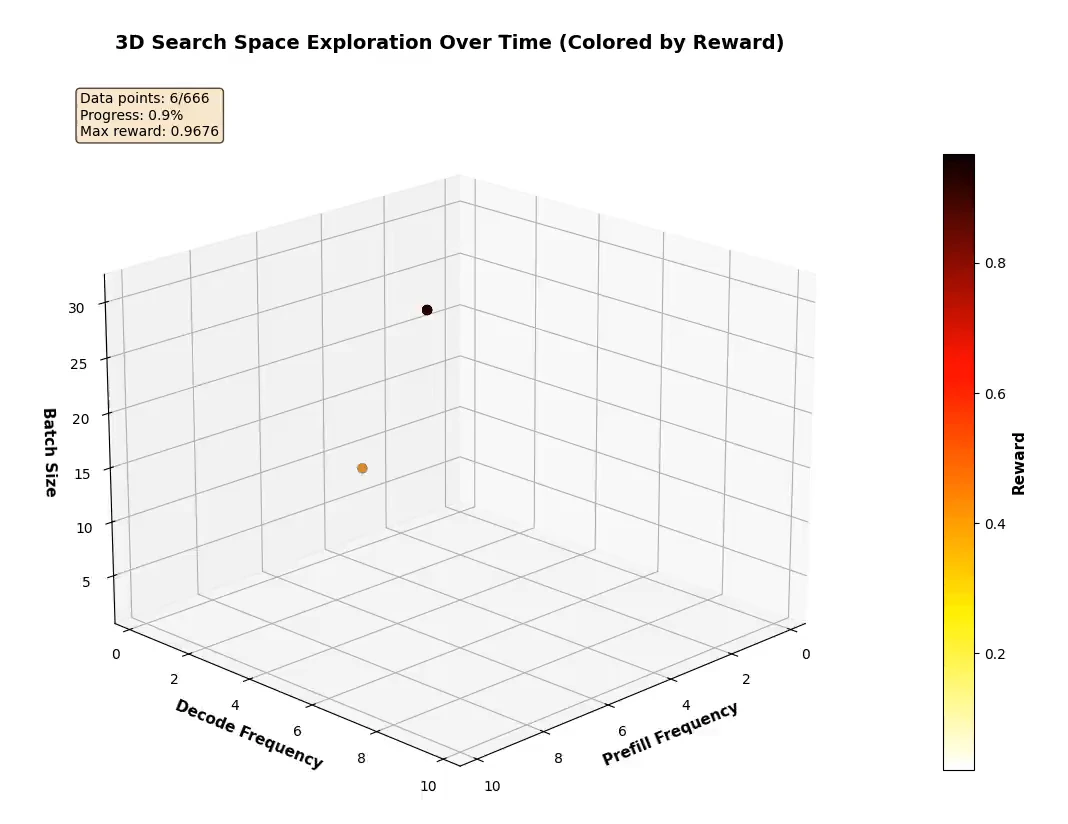
Language model inference on edge devices is fundamentally limited by thermals before compute. A Jetson system operates within a 2- to 50-watt budget under a 100°C ceiling, frequently without active cooling. Standard frequency governors handle these constraints poorly: they drive the accelerator near its maximum until throttling intervenes, and they remain blind to the distinct compute characteristics of prefill and decode phases. EnergyLLM replaces these governors with a dynamic runtime scheduler. Using a reinforcement learning agent trained via Group Relative Policy Optimization (GRPO), it independently sets prefill and decode GPU frequencies, request batch sizes, and the number of transformer layers to execute, conditioning every decision on real-time thermal and power headroom.
Scheduling is formulated as a Markov decision process. The state space captures normalized prefill and decode frequency bins, batch size, and remaining thermal headroom, mapping to an action space of several thousand discrete configurations. The reward function balances normalized throughput, energy efficiency, and the energy-delay product. By applying exponential penalties on temperature, latency, power, and exit entropy, the system effectively converts a constrained optimization problem into an unconstrained formulation. The agent’s behavior divides into two regimes: it maximizes throughput when headroom is ample, but shifts to preserving energy once effective headroom falls below 33% (roughly 80°C junction temperature). Training proceeds in two phases: supervised pre-training against reward-weighted grid search data, followed by online fine-tuning on hardware using group-relative advantages.
The scheduler controls four primary dimensions. First, independent frequency scaling exploits the asymmetry between the compute-bound prefill phase and the memory-bound decode phase. Second, batch sizing trades per-request energy costs against token throughput. Third, dynamic early exit recovers the throughput lost to larger batches by terminating the forward pass before the final layer. This utilizes a Llama 3.2 1B LayerSkip model, allowing the agent to dynamically select between layers 9 and 16. Unlike quantization or pruning, this requires no specialized hardware or weight reformatting, and unused layers are never transferred to the GPU. To regulate this, an entropy penalty prevents low-confidence early exits when thermal headroom permits deeper execution. Finally, a factorized action head reduces the output layer from 123,904 to 3,872 parameters. This cuts the memory footprint by 96.8% and policy update costs by over 48%, all while maintaining less than a 3% accuracy loss.
Evaluation was conducted on a Jetson AGX Orin using 1,000 prompts from the Natural Questions dataset. The built-in fan was disabled to model passive cooling, and power was sampled via tegrastats at one-millisecond intervals. Compared to a DVFS baseline pinned to maximum frequency and batch size, which quickly hits the thermal limit and crashes, EnergyLLM stabilizes at 92°C against the baseline’s 99°C peak. This reduces end-to-end latency by 87.5% and power draw by 47%, holding latency near 4 seconds against a 15-second Service Level Objective (SLO) that the baseline eventually violates. Furthermore, dynamic early exit drives a 29.3% reduction in total request time relative to the best static configuration, and a 33.1% reduction relative to DVFS at 99°C. Agent overhead remains marginal: action selection consumes under 0.1% of total latency and energy, while online policy updates require under 3%. Compared to an exhaustive grid search, the policy converges on the same optimal configuration while reducing search energy, power draw, and latency by roughly 80%.
Project for COMPSCI 2420: Computing at Scale at Harvard University, with Haebin Do, Kevin He, and Angelica Kim.
May 2024 – Apr 2025
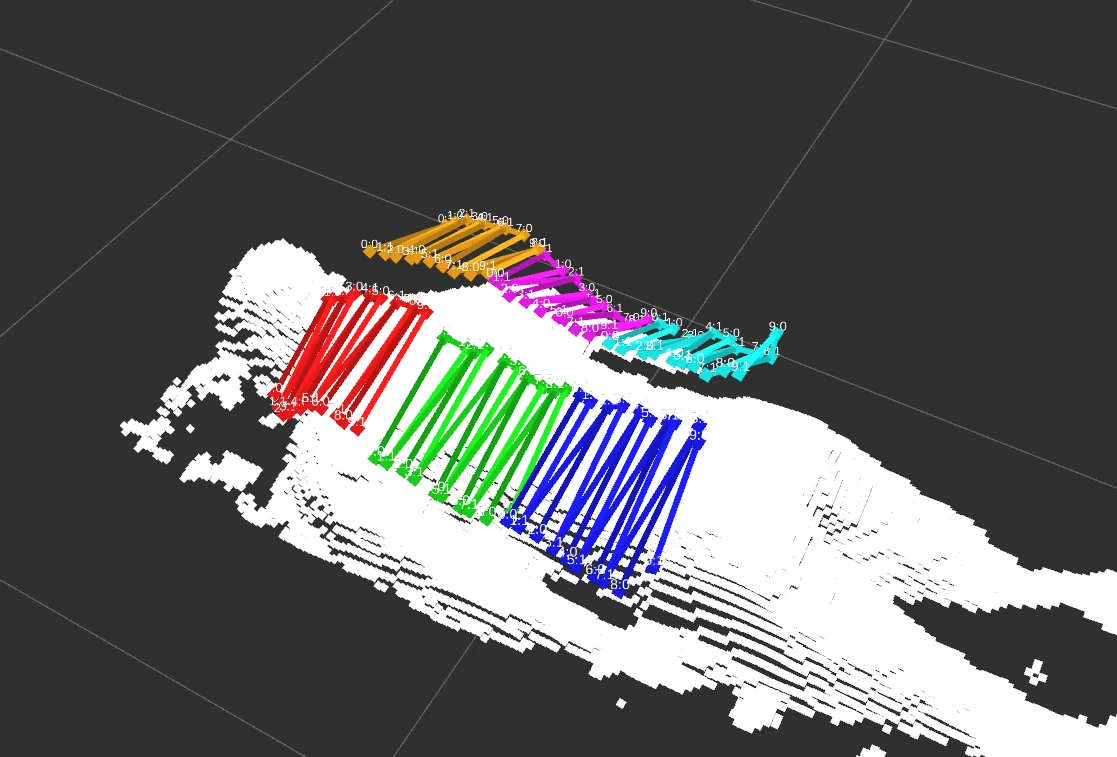
Imagine a world where you can receive a professional, personalized massage in the comfort of your home. TherapeuTech brings this vision to life with an automated back massage system powered by a robotic arm, depth-sensing camera, and massage gun. Designed for safe, user-friendly human-robot interaction, the system identifies massage regions, plans a trajectory, and executes the massage with intuitive user input. Built around the Kinova Jaco2 arm and Intel RealSense L515 depth camera, its modular software can be adapted to other robotic platforms supporting Cartesian planning and point cloud sensing.
To reduce model complexity and support efficient instance segmentation, the system converts 3D point clouds into 2D binary occupancy grids. We generated 200,000 synthetic, auto-labeled training samples using human-body heuristics and fine-tuned a YOLOv11 model. Detected regions in 2D are mapped back to 3D space for Cartesian trajectory planning via the RRTConnect algorithm.
The system relies on two key extrinsic transforms: one from the depth camera to the robot base frame, and another from the massage gun to the robot’s end-effector. The first transform is determined automatically from Iterative Closest Point registration with the point cloud from the L515, and a synthetic point cloud derived from the known robot collision model. The latter transform is found from CAD-based values. By integrating these transforms, we ensure that all perception and motion modules operate in a unified single spatial world frame.
The hardware setup includes a tripod-mounted top-down depth camera, a massage gun, and a custom-designed 3D-printed mounting bracket for the Kinova arm. To gain full control over massage actuation, the built-in controller of the massage gun was bypassed using an Arduino Uno R3 and L298 motor driver, enabling a custom motor control stack within our ROS-based system. A touchscreen and ESP32-based voice control interface enable wake-word detection, emergency stop activation, and dynamic user input for adjusting massage strength and regions. This integrated multi-platform design offers hands-free safety, real-time customization, and a user-centric experience.
Project for EECE 4792: Capstone at Northeastern University, with Vinayajitesh Balaji, Timothy Bennett, Gary Lvov, and Jiwoo Yoon. Awarded 3rd place in the capstone competition.
Feb – Mar 2025
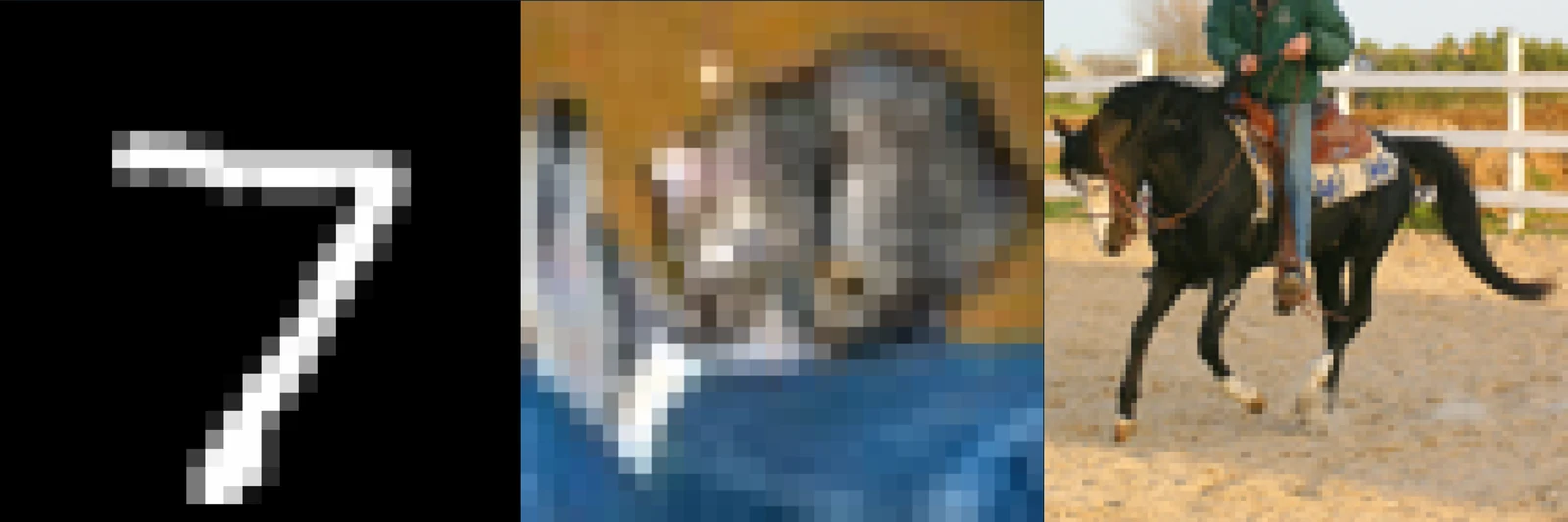
The K-Nearest Neighbors (KNN) algorithm is a foundational supervised learning method that classifies data points based on their proximity to stored training instances. Unlike parametric models, KNN lacks a dedicated training phase and defers all computational work to classification time. To evaluate a new instance, the algorithm computes a distance metric against the entire training dataset, sorts the results, and assigns a class based on a majority vote among the closest k neighbors. For image classification, this involves flattening images into one-dimensional feature vectors and calculating Euclidean distances across thousands of data points. Because this workload consists almost entirely of independent distance calculations, it is an excellent candidate for GPU acceleration and a direct instrument for evaluating GPU memory hierarchies.
To robustly assess performance, this project processed three datasets of increasing complexity: MNIST at 28 by 28 pixels in grayscale, CIFAR-10 at 32 by 32 pixels in color, and a labeled subset of STL-10 at 96 by 96 pixels in color. Execution was evaluated across three generations of NVIDIA GPUs chosen for their varying shared memory capacities per streaming multiprocessor: the Tesla P100 with 64 KB, the Tesla V100 with 96 KB, and the A100 with 164 KB. The evaluation recorded total execution time, GPU kernel time, memory utilization, and classification accuracy across different block sizes and k values, while relying on the NVIDIA Thrust library to handle the distance sorting.
Hardware optimization progressed through three distinct implementations to maximize data reuse. The initial approach loaded testing images into shared memory but yielded no performance gain, as global memory traffic for the training set heavily dominated the workload. Furthermore, because shared memory is localized to a block, threads read the cached test images only once without exploiting any reuse. The second approach attempted to store training images in shared memory but encountered a hard hardware limit: a single STL-10 image requires approximately 110 KB, which exceeds the block capacities of both the P100 and V100. Attempting to work around this limitation by tiling the image resulted in severe slowdowns, extending MNIST processing time to over 1,450 seconds. Optimal performance was ultimately achieved in a third design that holds one training image in shared memory per block and batches all test images against it. By assigning one thread per test image, the kernel ensures the cached training data is read continuously rather than just once.
This batched implementation substantially outperformed the baseline kernel across nearly all configurations. Its structural constraints are clearly visible in the final metrics: STL-10 batching registers zero performance on the P100 and V100 because the training image cannot fit into shared memory. Conversely, the algorithm performs exceptionally well on the A100, where the 164 KB capacity comfortably holds the STL-10 image and allows every available thread to process the batched testing data. Classification accuracy consistently fell as the neighbor count k increased from 1 to 125, including tests using a square-root heuristic scaled to the training set size. Ultimately, the results demonstrate that the speedup potential of GPU shared memory is strictly dictated by whether the dataset’s working unit fits inside it.
Project for EECE 5640: High Performance Computing at Northeastern University.
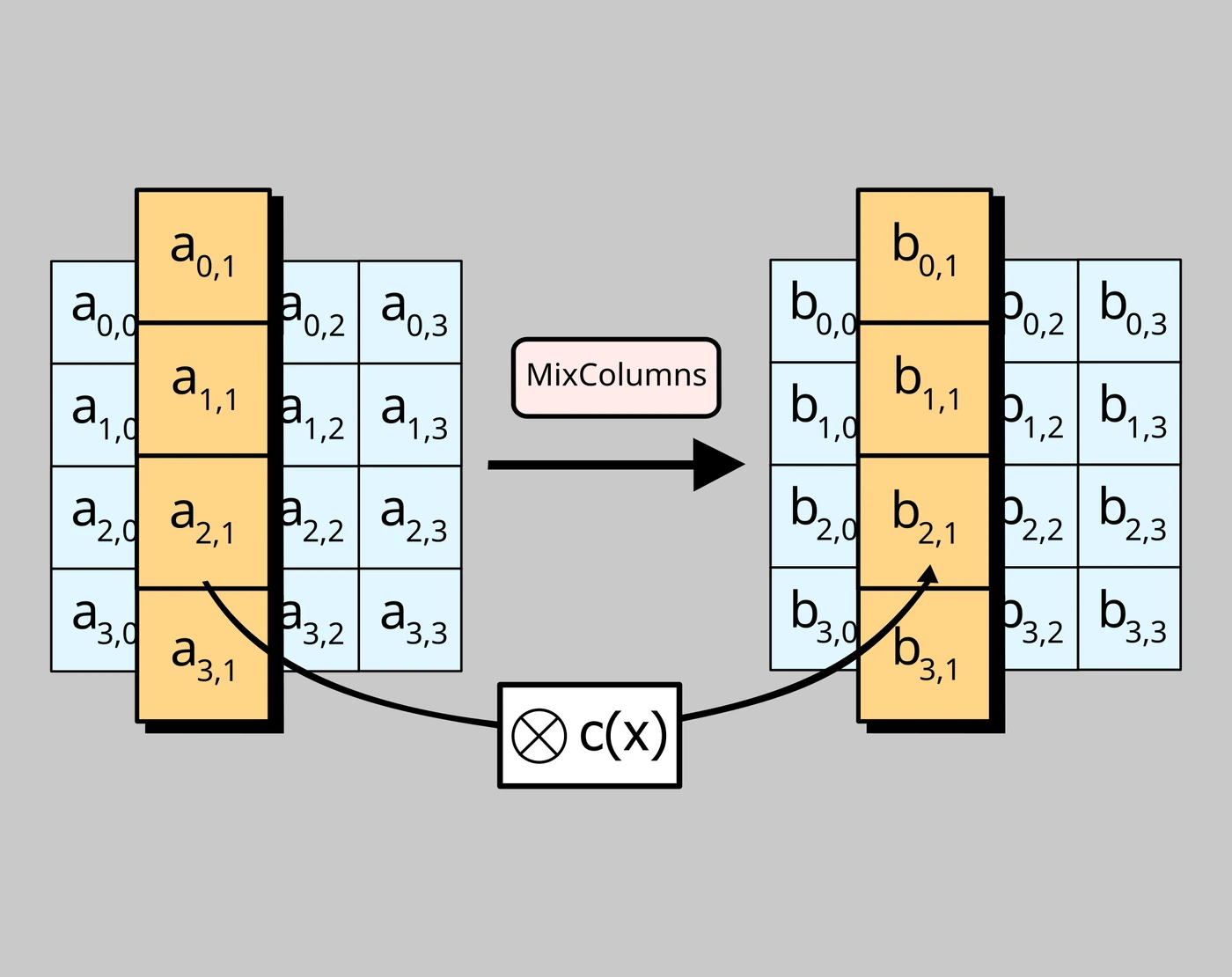
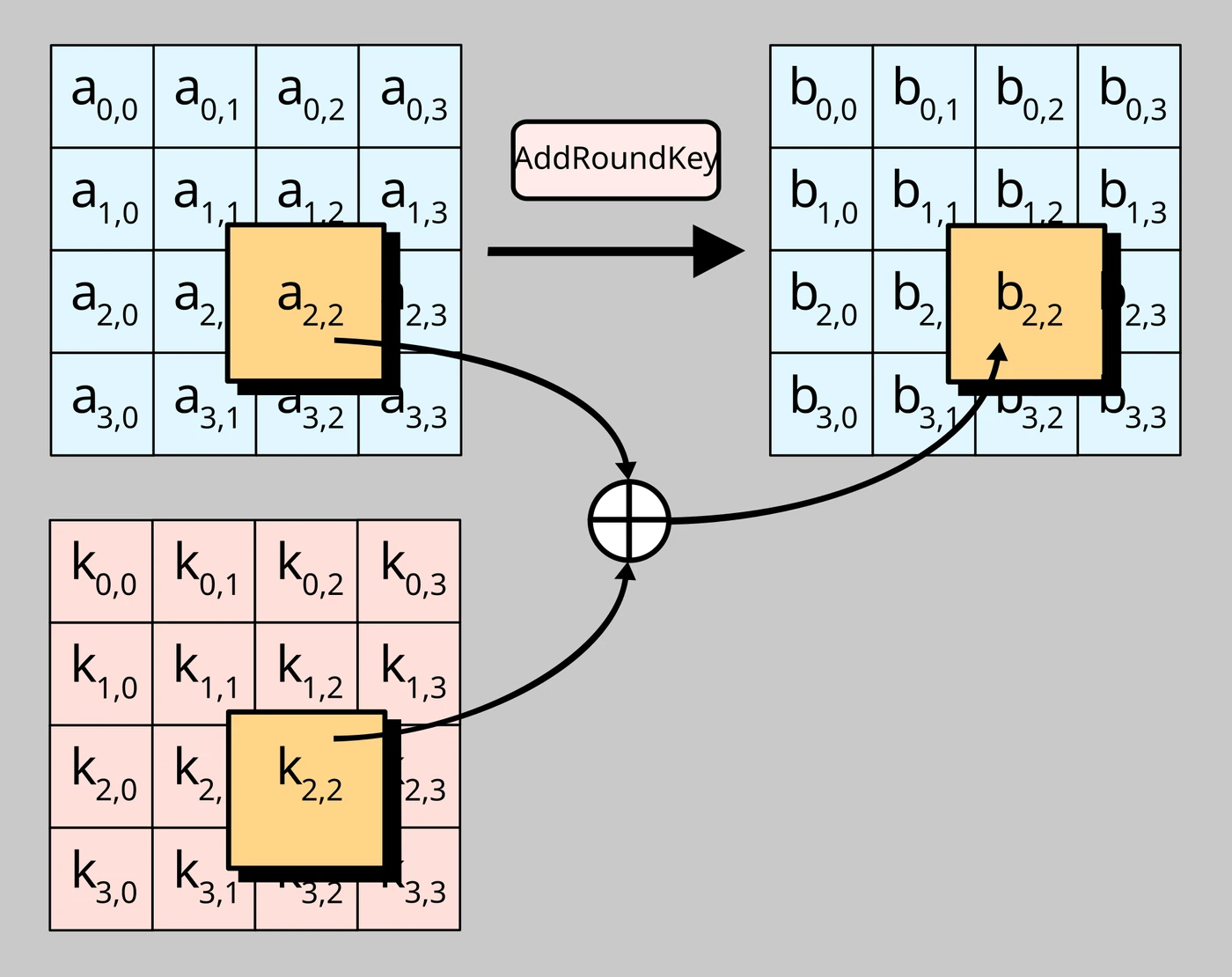
The 3rd and 4th images are animations by Ryan Lin.
Feb – May 2024
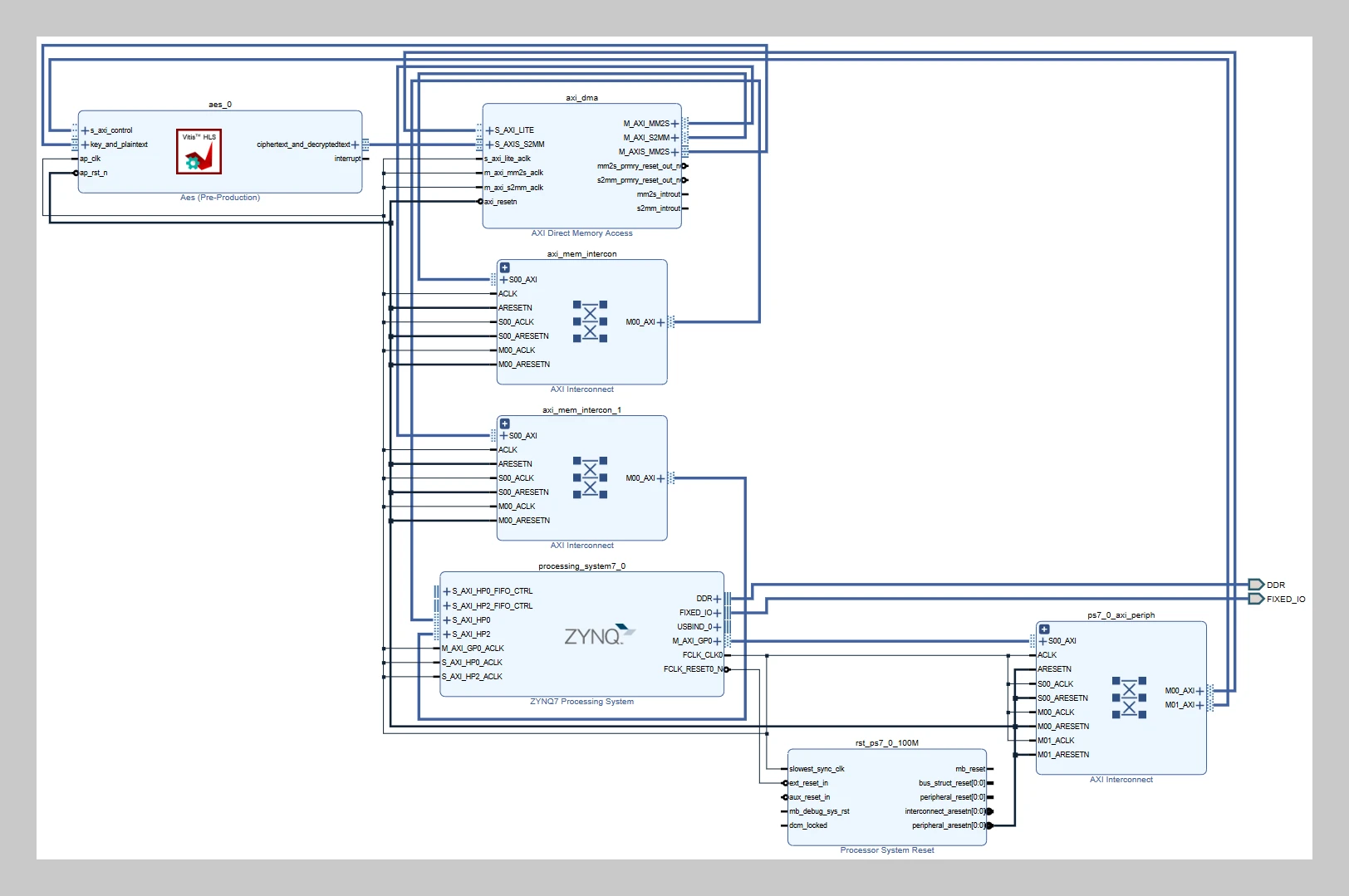
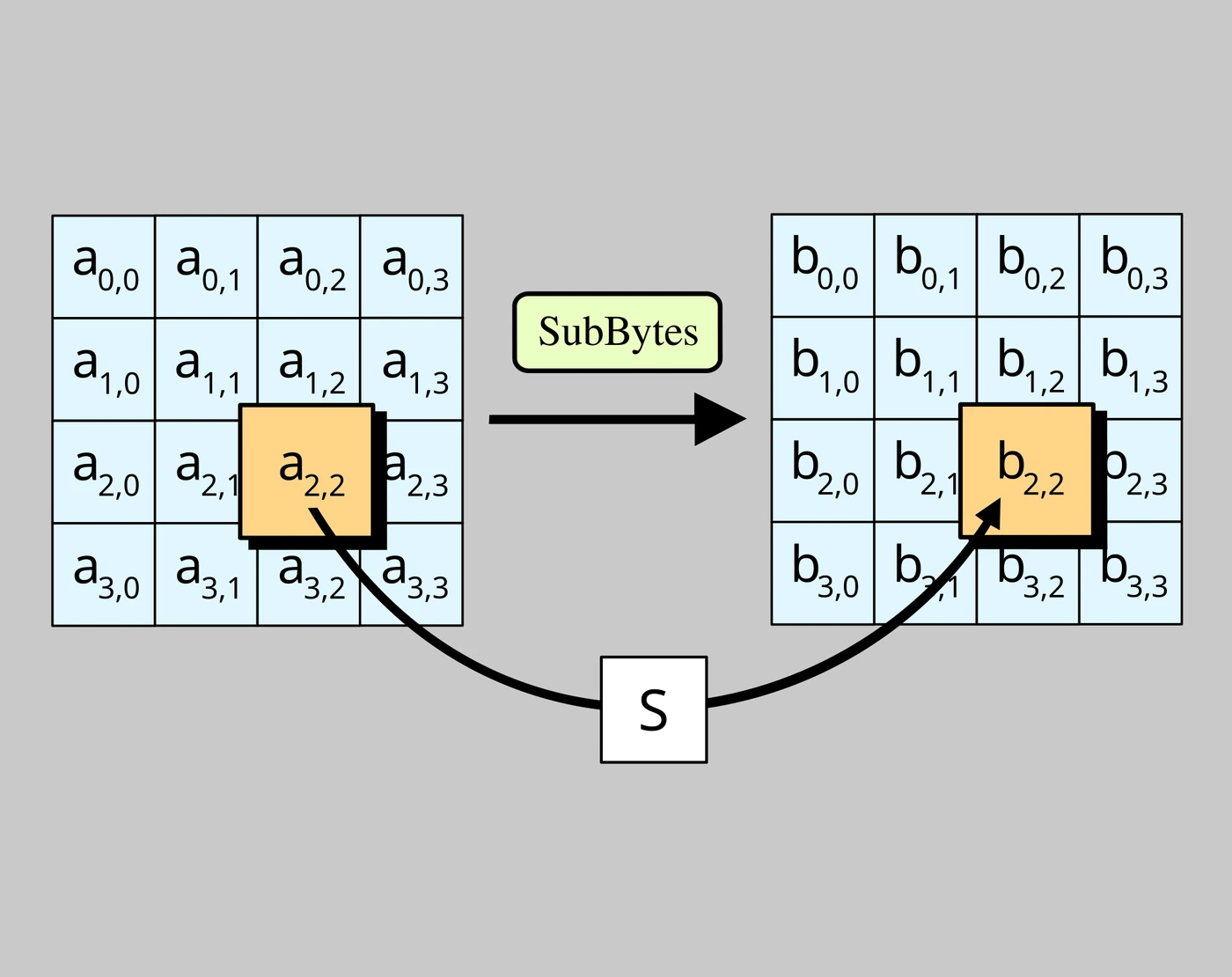
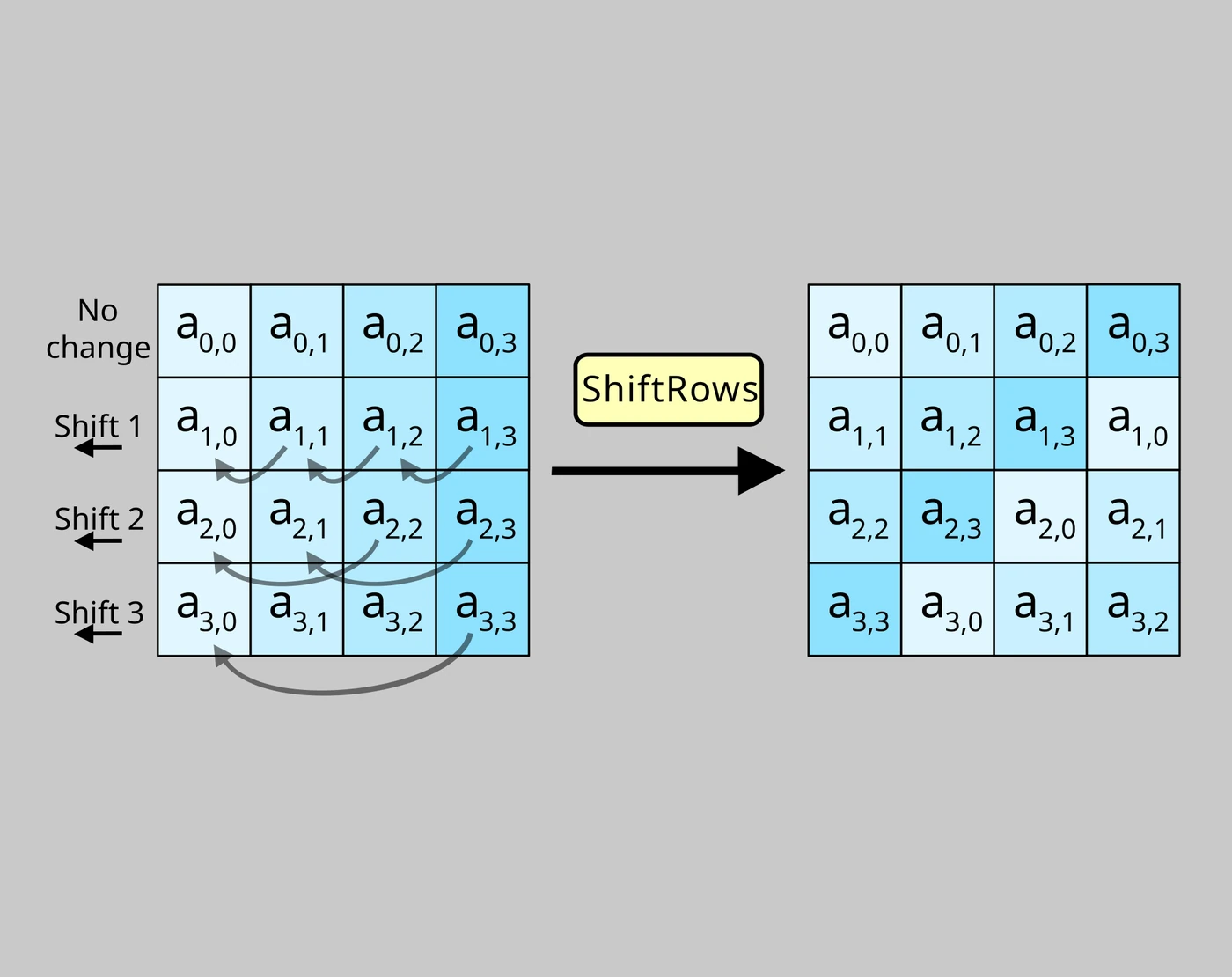
The Advanced Encryption Standard (AES) is a symmetric-key block cipher adopted by the National Institute of Standards and Technology to secure sensitive data. It processes 128-bit blocks organized as a four-by-four column-major array of bytes known as the state. To encrypt data, AES applies a substitution-permutation network comprising SubBytes, ShiftRows, MixColumns, and AddRoundKey transformations over 10, 12, or 14 rounds for key sizes of 128, 192, and 256 bits respectively. Because these transformations map cleanly onto hardware, AES is an ideal target for hardware acceleration. However, since an accelerator draws power proportional to its data throughput, it also becomes vulnerable to side-channel power analysis. To explore this relationship, this project implements an AES accelerator alongside a ring-oscillator power monitor on a PYNQ-Z2 FPGA.
The encryption and decryption core is an Electronic Codebook (ECB) mode implementation written in C and adapted for the Vitis compiler. A top-level function manages the bus interface, with the specific key size selected at run time via an AXI4-Lite register. Moving data efficiently across the hardware boundary required transitioning from a standard AXI4 interface to an AXI-Stream protocol. Because the Vivado Direct Memory Access (DMA) blocks support only a single streaming input and output, the design merges the key and plaintext into one combined stream, and likewise the ciphertext and decrypted text into a single output stream. Resolving initial system hangs required fixing two distinct communication faults: aligning the 8-bit character payload with 8-bit Numpy DMA buffers instead of 32-bit ones, and moving the TLAST synchronization signal outside of the main streaming loop. Due to DMA transfer limits, the accelerator processes a single 128-bit block per transfer.
Hardware optimization in Vitis HLS relied on carefully applied directives to minimize latency. Loops with static bounds were unrolled, data-dependent loops were pipelined, and the substitution tables were synthesized as dual-port ROMs to prevent read contention. Because several complex loops had variable trip counts, explicit tripcount directives were necessary for the compiler to report latency figures and target specific initiation intervals. These optimizations reduced the core latency from 11,828 cycles to 7,379 cycles. On the physical board, a single block encrypts and decrypts in approximately 1.78 to 1.81 milliseconds across all key sizes. This hardware execution is roughly 6.3 times faster than the unoptimized baseline and 38 times faster than an equivalent Python implementation. However, when compared to the 0.043 to 0.054 milliseconds required by native C software on the board’s ARM processor, the accelerator is slower, highlighting the severe performance penalty of crossing the DMA bus for single-block transfers.
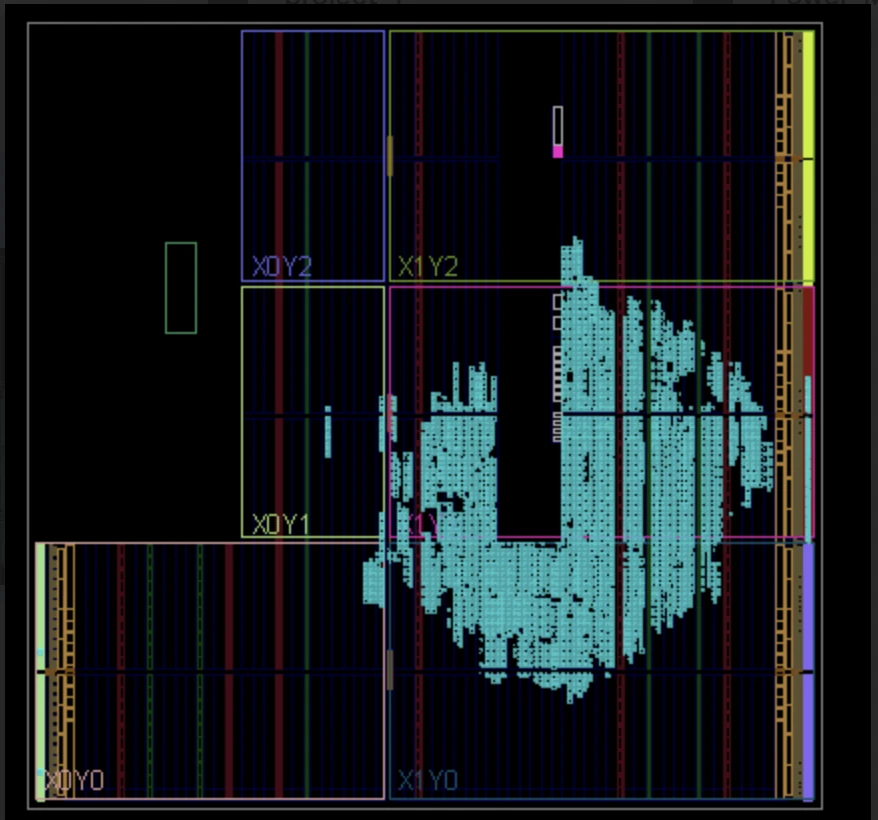
The second half of the project features a side-channel power monitor constructed from ring oscillators. Each oscillator pairs an AND gate with an inverter to generate a fast oscillating signal. Because gate switching delays increase as board power draw rises, counting these oscillations against the unaffected system clock provides an estimate of dynamic power consumption. Since Vitis HLS cannot synthesize gate-level logic, the monitor was developed as a separate SystemVerilog IP and integrated into the design at the RTL level. Forcing Vivado to implement the unclocked logic resulted in a massive initial array that projected a 125°C thermal overload, requiring the design to be scaled down by a factor of one hundred. When enabled on the hardware, the final scaled monitor drew enough power to trip a board-level protection reset. While this prevented live side-channel data collection, it successfully demonstrated the functional mechanism of the power monitor and clearly defined the electrical thresholds of the FPGA.
Project for EECE 4632: Hardware-Software Codesign for FPGA-Based Systems at Northeastern University, with Hamza Iqbal.
Mar – Apr 2024
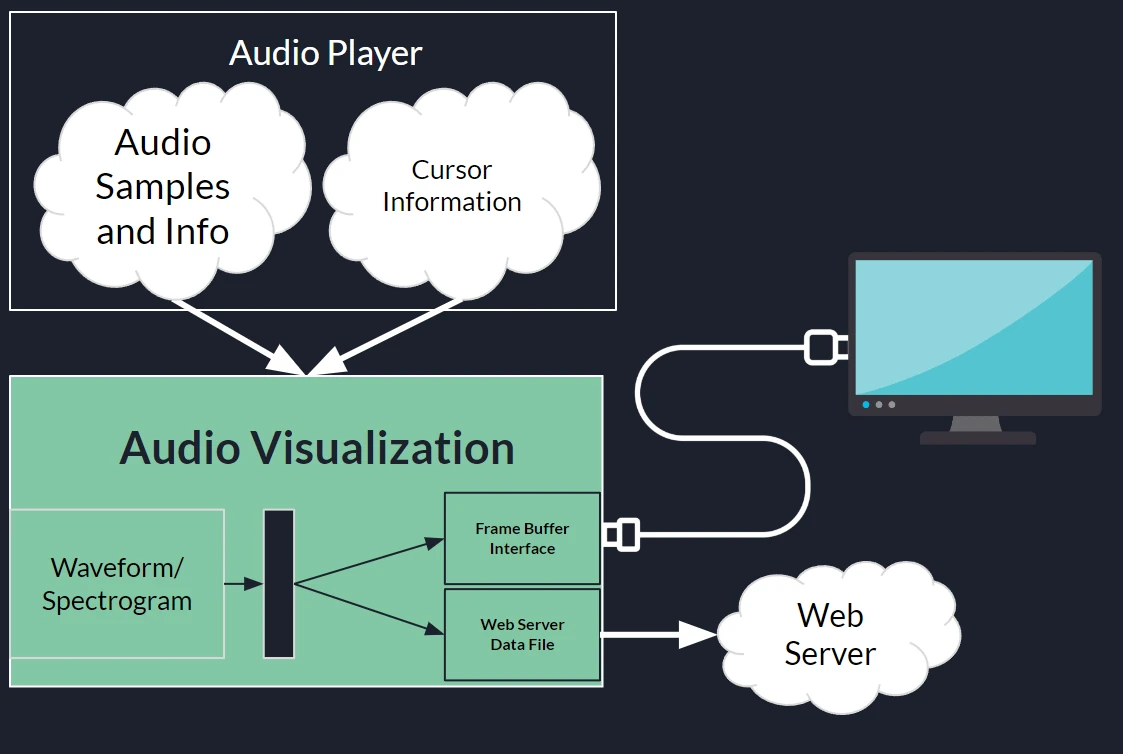
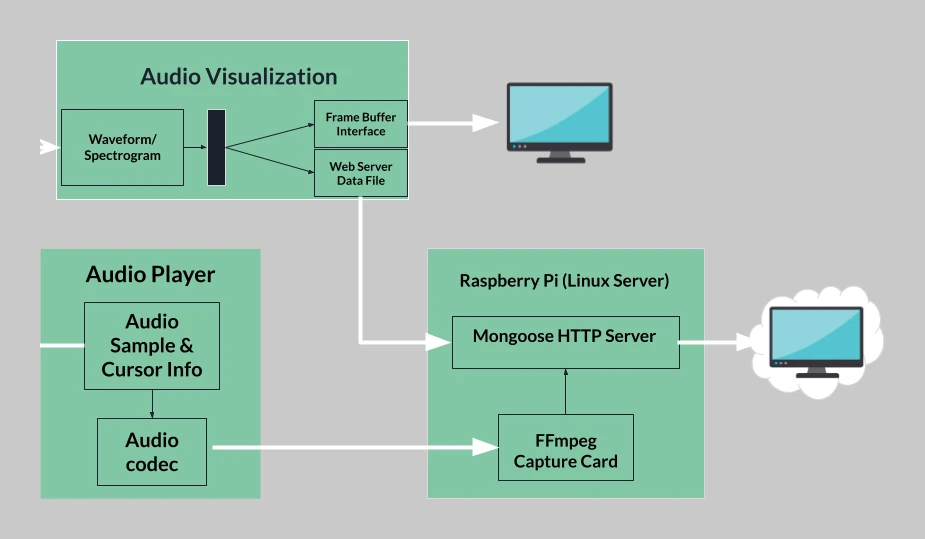
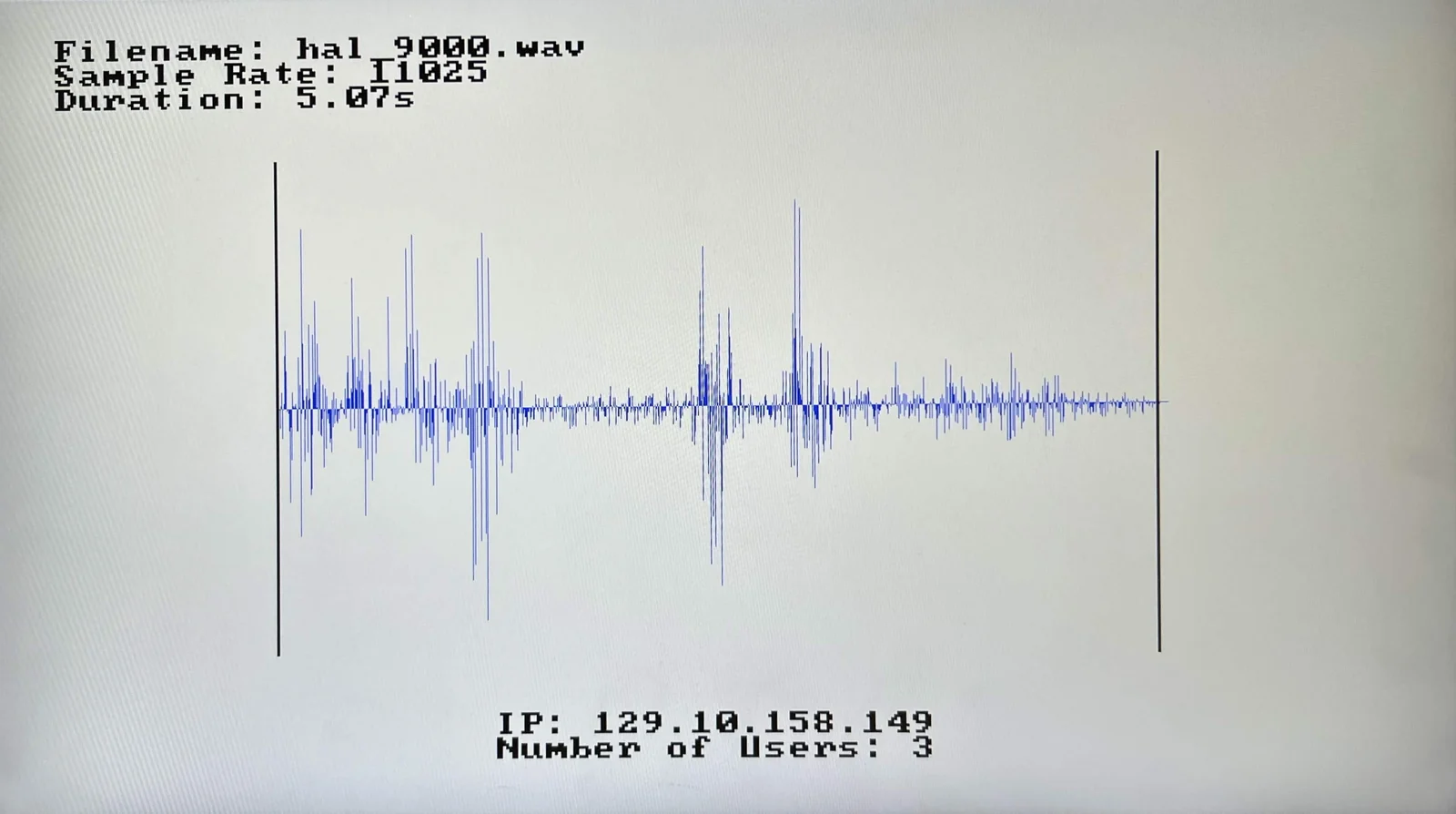
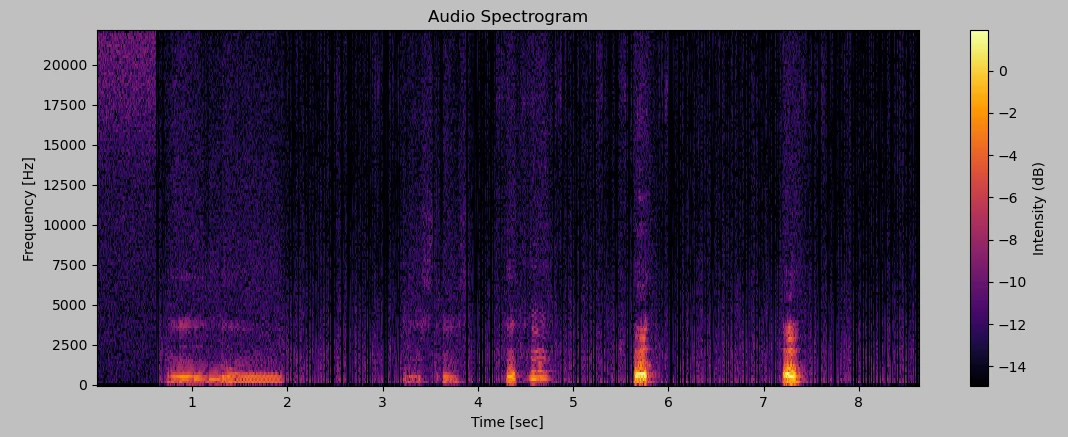
Developing audio applications for embedded systems often requires physical proximity to the hardware to verify outputs, tying developers to laboratory workstations. AudioJAK resolves this limitation by providing a dual-path audio visualizer and player designed for the Zedboard. The system routes output simultaneously to a local HDMI display and a remote web interface hosted on a companion Raspberry Pi. Beyond simple playback, the application supports dynamic audio operations such as section looping, reverse playback, and audio cutting. Alongside these tools, it renders a real-time waveform, file metadata, and dynamically updated playback cursors to help visualize the audio data.
To ensure playback remains uninterrupted, the local HDMI display operates on a dedicated update thread and utilizes non-blocking drawing calls. It renders the waveform and, if Python is configured on the board, a detailed audio spectrogram. Graphics refresh tasks are distributed across multiple threads, achieving approximately 12.2 frames per second during standard application use and dropping to roughly 10.5 frames per second under heavy, constant updating. While this frame rate is highly functional for visual content without rapid motion, the multithreaded architecture introduces significant CPU overhead. The standalone audio player consumes roughly 4% of the processor time, but total utilization climbs to approximately 150% once the visualization threads are fully engaged.
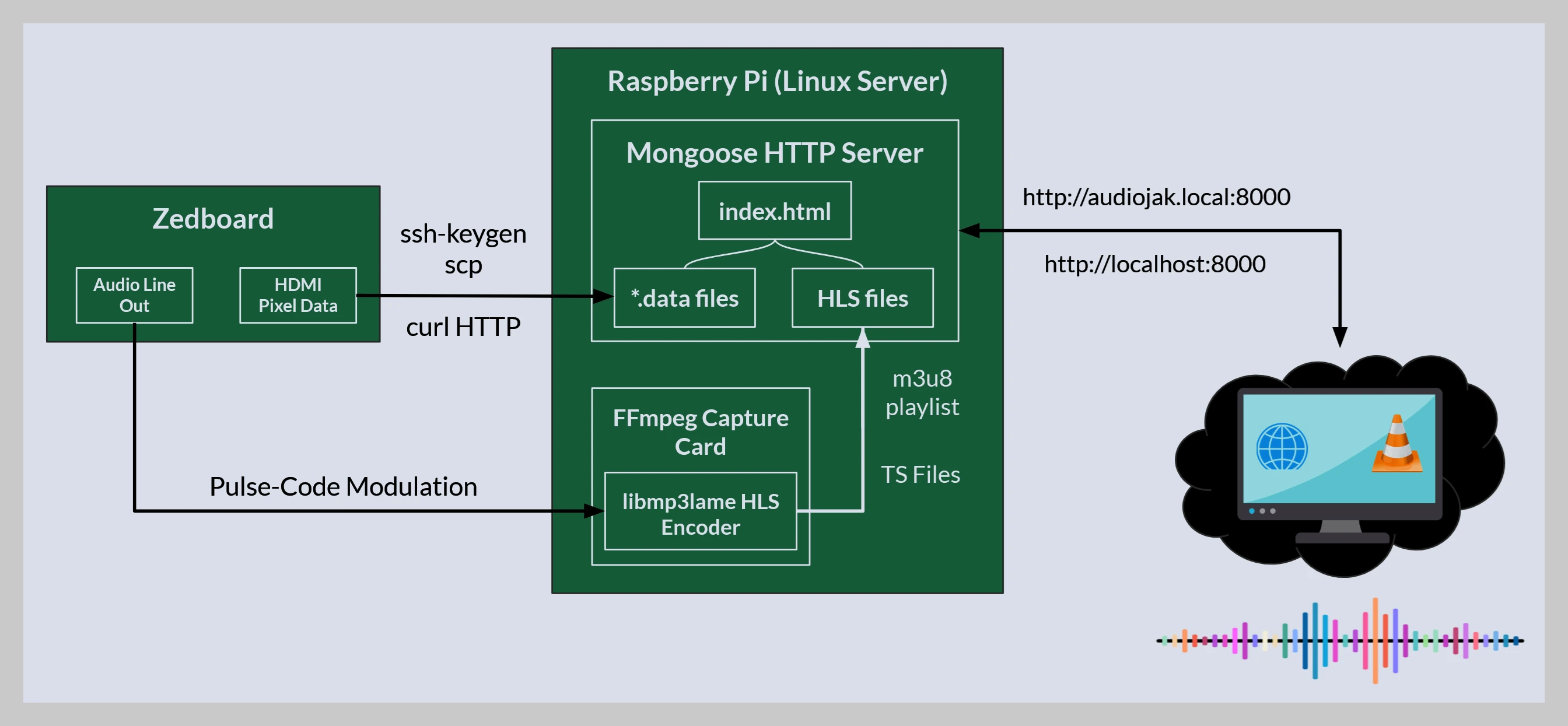
The remote visualization pipeline relies entirely on a secondary Linux server running on a Raspberry Pi. Analog audio from the Zedboard’s line-out feeds into a USB capture card on the Pi, where FFmpeg continuously encodes the raw pulse-code modulation into libmp3lame HTTP Live Streaming (HLS) segments. Simultaneously, the HDMI framebuffer data travels to the Pi using either a secure copy protocol (scp) transfer with pre-exchanged keys or a distinct HTTP PUT request. A Mongoose HTTP server hosts the frontend index page, which parses the HLS playlist and draws the raw pixel data directly onto a JavaScript canvas. This server is fortified by signal interrupt handlers for clean shutdowns and a systemd service to automatically restore it in the event of a crash.
Measuring network latency end-to-end revealed that remote audio arrives three to five seconds behind the physical board. Framebuffer transport methods also diverged sharply in performance, with scp transfers completing in around three seconds compared to nearly sixty seconds for HTTP curl. The primary bottleneck proved to be the streaming architecture itself. Because HLS relies on sequential file transfers rather than true live streaming, cross-origin resource sharing (CORS) headers and manifest parsing timeouts frequently delayed or stalled playback on the client script. Alternative transports like RTP were tested and streamed correctly to VLC, but struggled severely when integrated into the web page, managing only one video frame every fifteen seconds. These results firmly established that a genuinely low-latency protocol, such as an ICE server paired with WebRTC, is the necessary foundation for future real-time embedded streaming.
Project for EECE 4534: Embedded Design at Northeastern University, with Jared Cohen and Karthik Yalala.
Sep – Dec 2022
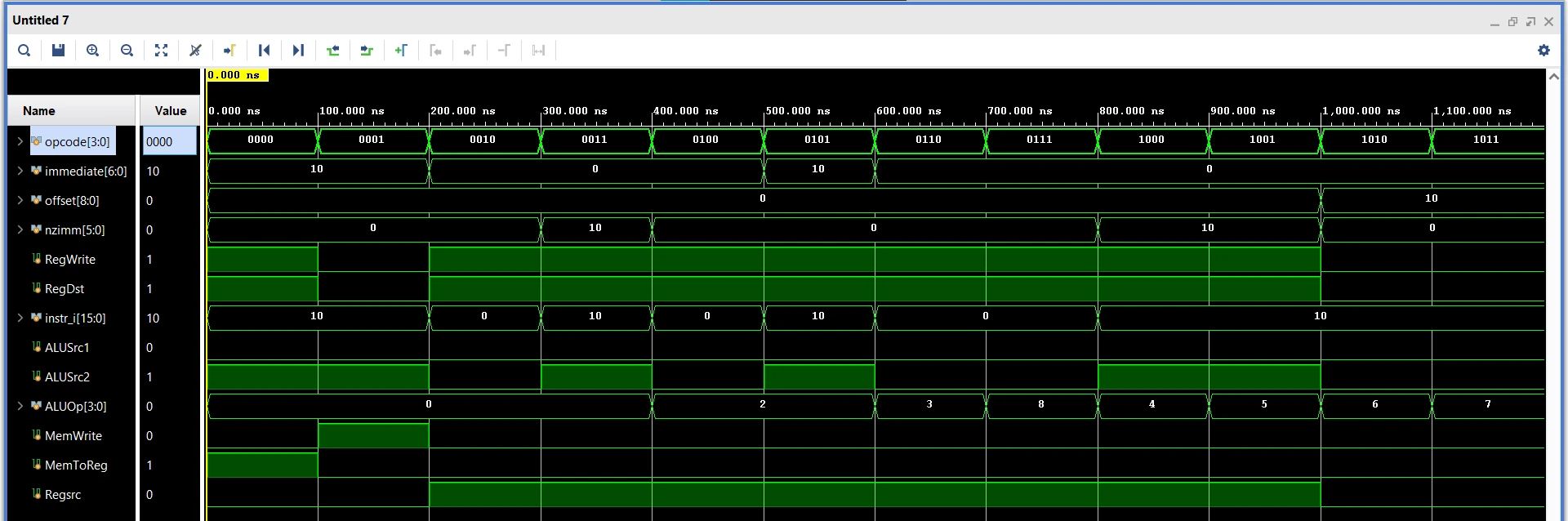
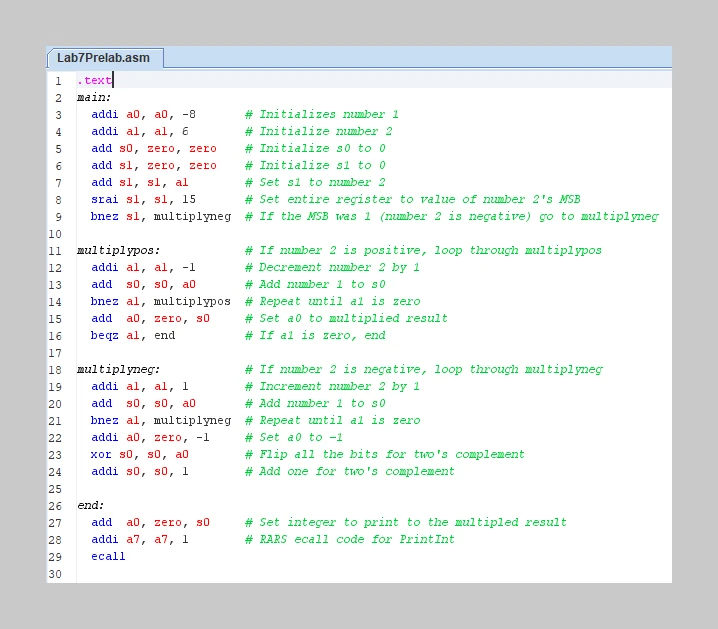
The Reduced Instruction Set Computer (RISC) architecture optimizes processor performance by compressing instructions into as few bits as possible, relying on a small, highly efficient set of core commands to execute complex software. A single-cycle implementation of this architecture executes one complete instruction per clock pulse, requiring a precise orchestration of arithmetic logic, memory access, and control flow. This project constructs a complete 16-bit single-cycle RISC-V processor from the ground up using SystemVerilog, bringing the design to life on a TUL PYNQ FPGA board through a rigorous seven-stage integration and verification process.
Construction of the datapath proceeded sequentially, starting with a 16-bit adder featuring an optimized two-term boolean overflow flag. Because overflow depends only on the most significant bits of the operands and the result, exhaustive verification of the flag was reduced to just eight critical input cases. This adder forms the core of an Arithmetic and Logic Unit (ALU) capable of nine distinct operations, including bitwise logic, shifts, and branch-to-zero comparisons. To allow continuous data processing, the ALU is backed by a register file for operand storage and retrieval. Further expanding the processor’s storage capacity, the design integrates a data memory module configured with a 10-bit address space to hold 1024 words of 16 bits. Because data memory reads must be combinational rather than clocked, this storage was implemented using a Distributed RAM IP core.
To convert the static datapath into a functional computer, a dedicated instruction decoder maps twelve distinct machine code instructions onto the ALU opcodes, register addresses, and multiplexer enables. An instruction memory module and a program counter continuously supply these 16-bit instruction words from a loaded memory image, shifting the system from manual toggle operation to autonomous program execution. Finally, rewriting the program counter logic to support conditional branching closed the loop, enabling true control flow and dynamic hardware decision-making.
Hardware bring-up heavily influenced the system’s final architecture. Because the PYNQ board provides only eight physical switches against the roughly thirty-six inputs required by the ALU alone, a Virtual Input/Output (VIO) IP core stands in for the missing pins and actively reports internal state data back to the user. The processor’s ultimate validation was a custom RISC-V assembly program designed to multiply two signed 8-bit numbers via two’s complement logic loops. Assembled into a .coe memory image on a university compute cluster, the machine code was loaded directly into the Distributed Memory core and successfully run to completion on the FPGA.
Project for EECE 2323: Digital Logic Design at Northeastern University.